Sports Media · Student exhibit
Women in Sports
Side-by-side comparison
Media A
U.S. women’s soccer team fights for equal pay rights
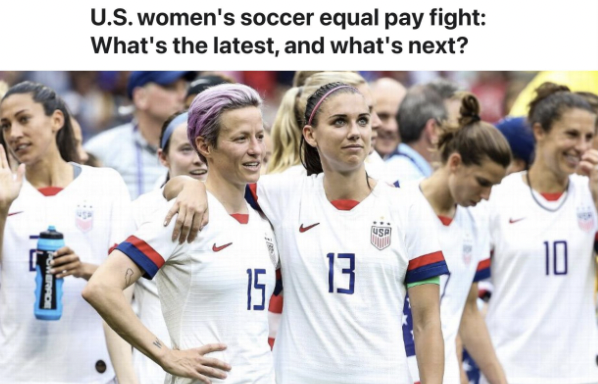
Women’s soccer team fights for equal pay. Soccer has become the most popular and watched sport in the nation. ‘Male counterparts made twice as much for winning less games.’ Men get paid more even when they don’t win games. Women’s team claimed they never receive bonuses rather the men’s team does. Federation pledged to include equal pay, appearance fees, & match bonuses.
Media B
The Struggle for Gender Equality in Sports Media
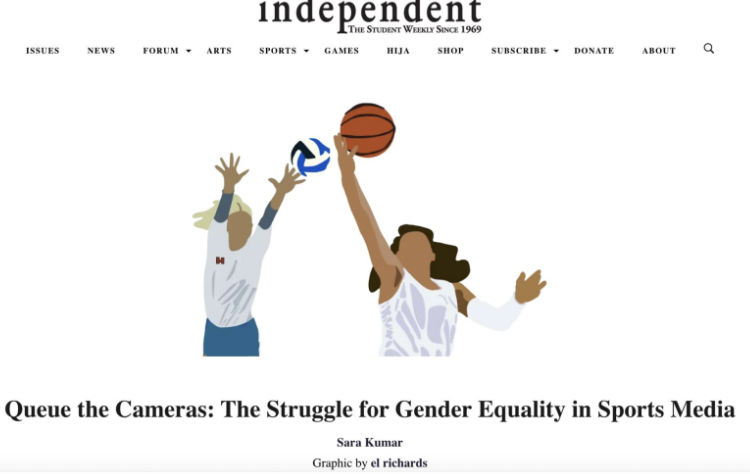
Women in sports represent roughly 40% of all sports participants, yet receive only 4–8% of total global sports media coverage. Events like Women’s World Cup, WNBA, and Olympic women’s hockey draw over 5 million U.S. viewers. Women in sports grow because the mindset switches to ‘oh they just feminist making a point in sports.’ But really women have competitive skills, tactical brilliance, and athletic strength. Media should focus on the talent.
Comparison
Media A fights for women soccer players getting better pay because soccer is the most watched sport worldwide; they believe they should be making the same as men. Media B states that women in sports are overlooked as women just trying to make a point that they can do anything and trying to prove their feminism, while this is wrong because the media should show the hard work, talent, and strength of women athletes. This can show people the work women have to put into their sports beyond the weight room.